
27.10.23 – Visible changes of bio-diversity in Campania
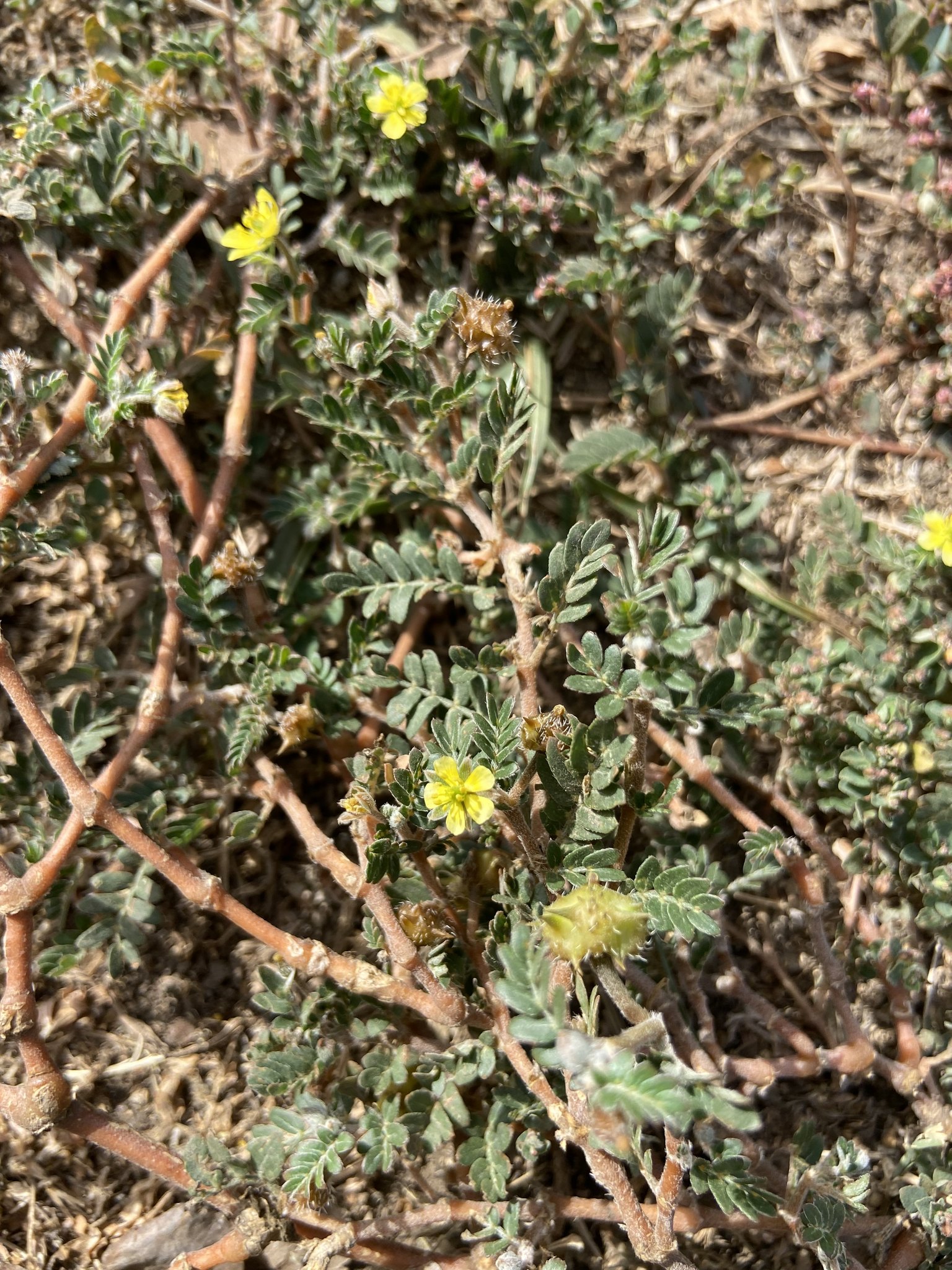
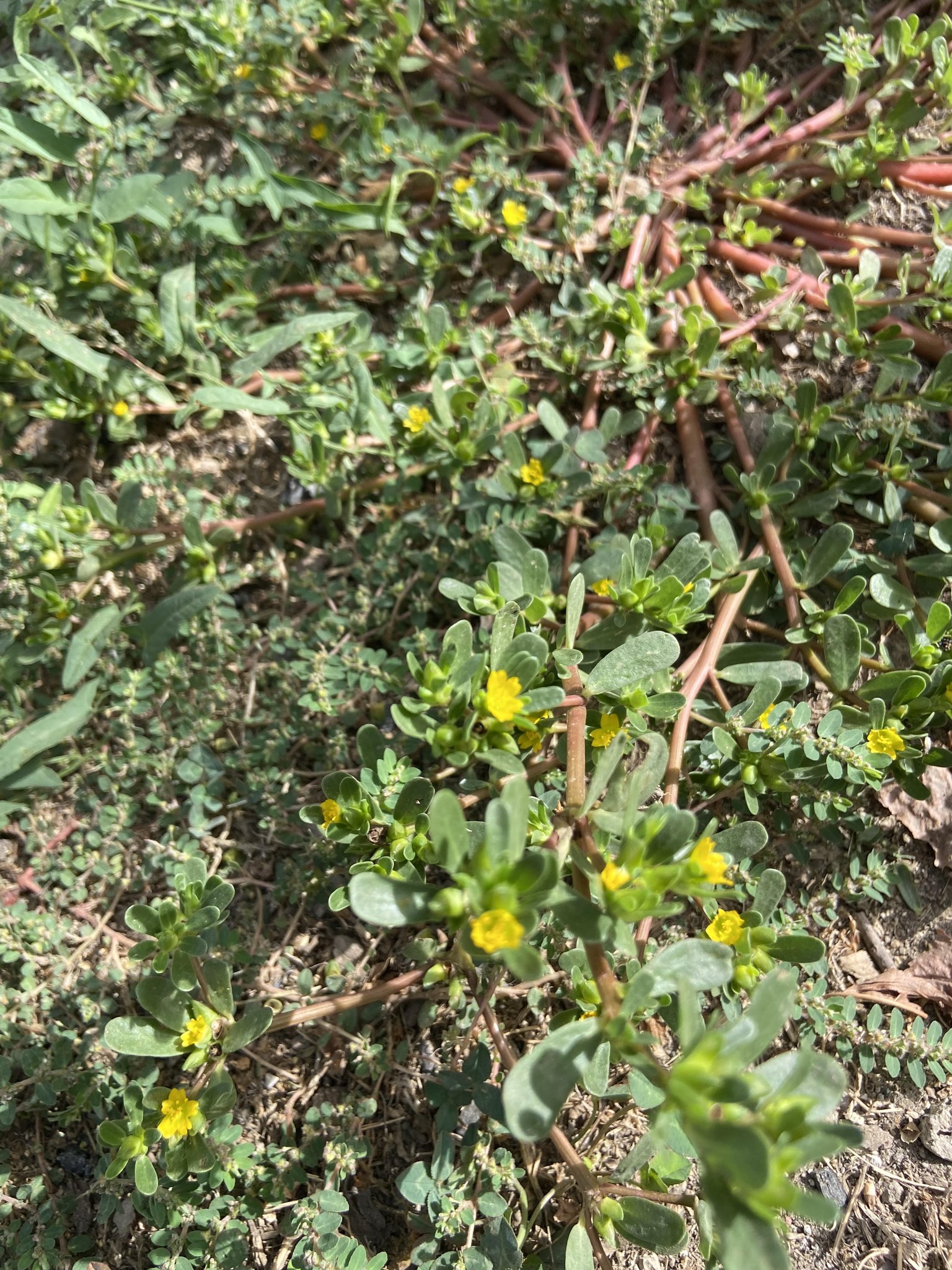
“Tribulus Terrestris & Portulaca olareca”
ITA
A causa delle temperature piu’ elevate la nostra flora&fauna hanno iniziato a subire cambiamenti gia’ considederevolmente visibili.
Ieri mentre ero in giardino ho notato una specie di pianta mai vista prima da queste parti ma solo in zone costiere e piu’ aride, il cosiddetto “scausapier” meglio conosciuto come “Tribulus terrestris” (foto1). Di portamento basso o strisciante, produce semi acuminati e pungenti. Viene usata nella fitoterapia per la cura di alcune patologie legate alla sfera sessuale. Inoltre diventò discretamente nota poiché nel Novecento venne usata per migliorare le prestazioni sportive di alcuni atleti. Questa pianta produce semi tanto acuminati da danneggiare pneumatici anche spessi e ferire gli animali i quali le calpestano con le proprie zampe. In alcune aree italiane le autorita’ locali stanziano fondi per i cittadini i quali molto frequentemente forano i pnemuatici delle bici.
Questa pianta non e’ da confondere con una molto simile per colore e forma detta “erba picchiacchella” meglio conosciuta come “Portulaca olareca” (foto2) la quale essendo commestibile e’ stata utilizzata nel sud Italia sin da tempi antichi, molto spesso accompagnando la rucola. Di probabili origini asiatiche, nella medicina dell’antico Egitto era utilizzata come erba medicinale, mentre era coltivata durante il Medioevo nei Paesi Arabi e nel Bacino del Mediterraneo, soprattutto in Spagna.
ENG
Due to higher temperatures our flora & fauna have begun to undergo already considerably visible changes.
Yesterday while I was in the garden I noticed a species of plant never seen before in these area but only in coastal and drier areas, the so-called “scausapier” better known as “Tribulus terrestris” (photo 1). Low or creeping in habit, it produces sharp and pungent seeds. It is used in phytotherapy for the treatment of some pathologies related to the sexual sphere. It also became quite well known because in the twentieth century it was used to improve the sporting performance of some athletes. This plant produces seeds that are so sharp that they damage even thick tires and injure animals that trample on them with their paws. In some Italian areas, local authorities allocate funds for citizens who very frequently puncture bicycle tyres.
This plant is not to be confused with a very similar one in colour and shape called “erba pignacchella”, better known as “Portulaca olareca” (photo 2) which, being edible, has been used in southern Italy since ancient times, very often accompanied the rocket. Of probable Asian origins, in ancient Egyptian medicine it was used as a medicinal herb, while it was cultivated during the Middle Ages in the Arab countries and in the Mediterranean basin, especially in Spain.
 STUDIO